Adobe: From Pay-Once to Pay-Always

September 15, 2023
3 min read

„Take care of the people, the products, and the profits – in that order“
– Ben Horowitz
PDF.
Portable Document Format.
Today we could not live without it. A file format developed by Adobe in 1992 to represent documents. And made available free of charge since 1993.
Honor to whom honor is due. Thank you, Adobe!
This was far from the sole very famous invention of Adobe. Photoshop, Illustrator, or InDesign - ring any bells?
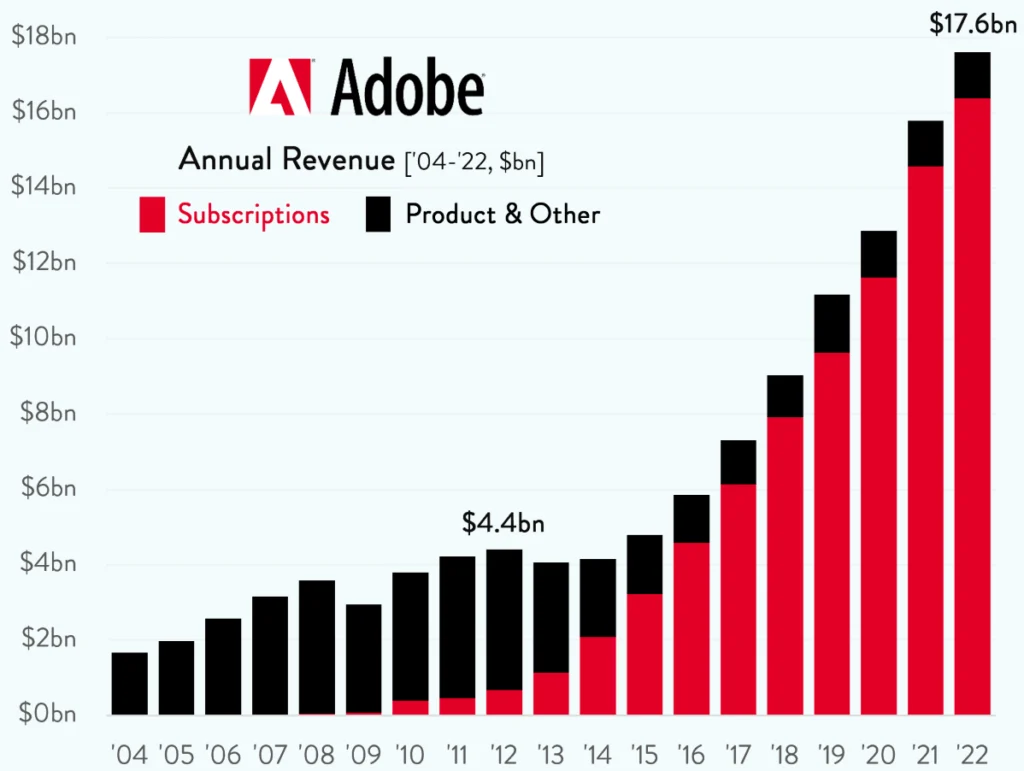
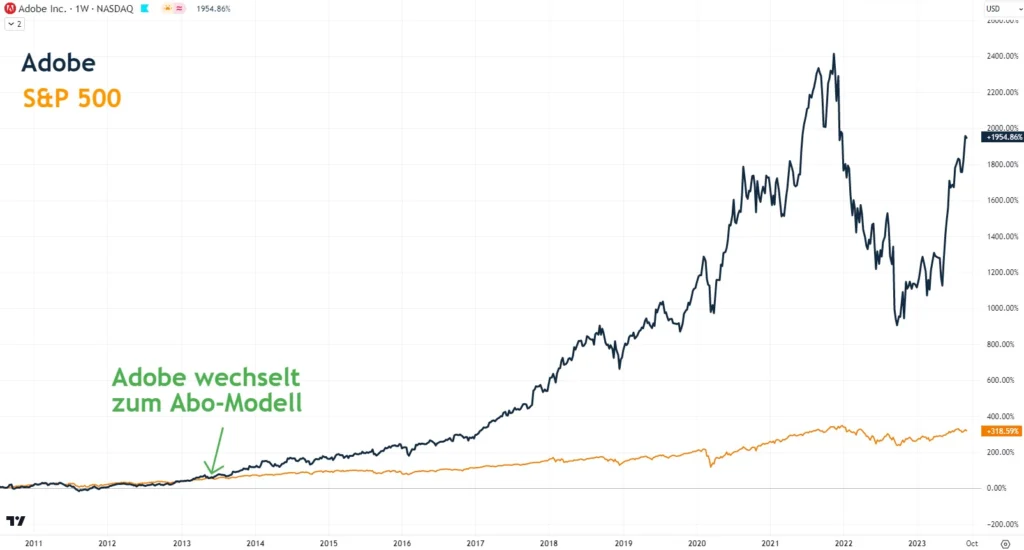
As a thought leader and pioneer in the tech world, the company has not only produced significant innovations over the decades, but in 2013 it also made a radical shift in its business strategy to a subscription model. You would no longer buy their product once, but pay a monthly or annual subscription.
This is music to my ears, as it leads to higher visibility and stability of sales through recurring revenue - allowing for higher valuation multiples.
It means moving from Pay-Once to Pay-Always.
We call this Software-as-a-Service.
In short: SaaS.
Chart 1: Adobe has designed its way to an enormous subscription business
A Bold Move
The move to a true SaaS model was not new at the time, but it had never been attempted before at a company of Adobe's size and importance.
It was a radical shift.
The decision was not an easy one. Graphic designers around the world loved to rant at Adobe. 30,000 Adobe customers immediately signed a petition calling for the SaaS transition to be abandoned.
Because they relied heavily on their essential products, they had no way of knowing what to expect or how comfortable the transition might be in the long run. Designers were afraid of costs and change.
Remember, this was 10 years ago. It was a bold move that paid off.
I want to highlight what every company can learn from Adobe's successful transition to SaaS. With the help of one of my favorite books and this month's book club choice.
The book is worth more than an MBA.
Chart 2: The Hard Thing About Hard Things by Ben Horowitz
5 key lessons
While many people talk about how great it is to start a business, very few are honest about how difficult it is to run one.
Horowitz analyzes the problems that confront leaders every day. The key lessons from his book fit Adobe’s journey exceptionally well:
These key lessons, among others, formed the foundation for what would eventually become the juggernaut of graphic design.
Wait.
Among others?
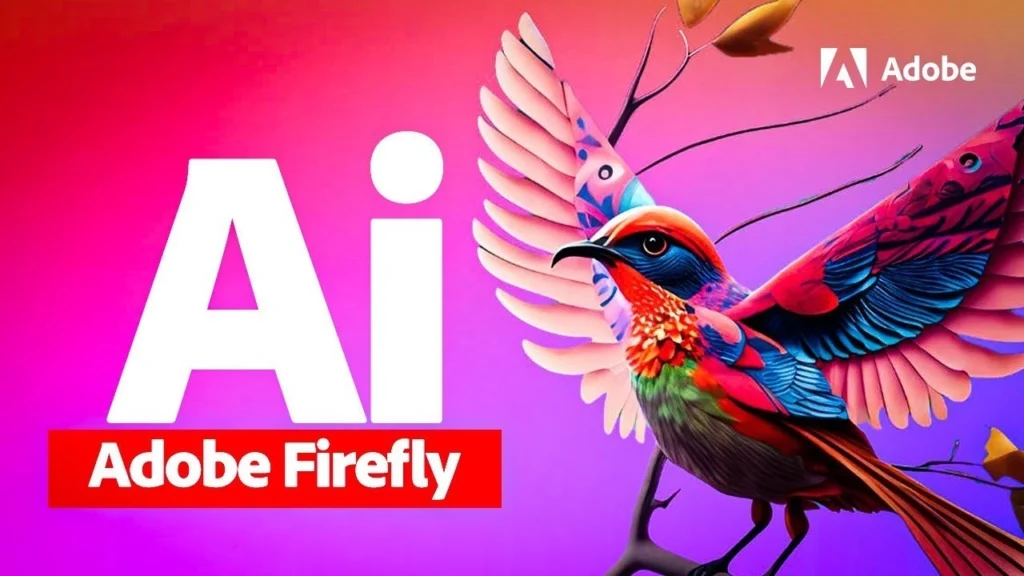
Chart 3: Adobe’s latest innovation, Firefly, Generative Artificial Intelligence
Customer Focus
True entrepreneurship is born from resilience, adaptability, and the courage to confront the hardest challenges head-on.
Building a business when there are no easy answers.
That is what Adobe did.
But there was another key component they relied on: customer focus.
Example?
In response to initial dissatisfaction with their pricing structure, particularly among freelancers and small businesses, Adobe addressed their concerns. The company introduced a more affordable plan that focused exclusively on the needs of this user group.
The result?
Enormous popularity.
They took care of the people (employees and customers alike), the products, and the profits – in that order.
With yesterday's financial results, Adobe's wonderful business model is showing further glimpses. The subscription model is steadily improving annual recurring revenue and another growth market is just around the corner.
Adobe is already "ahead of the curve" there.
Generative Artificial Intelligence.
Chart 4: Adobe since 2011
arvy's takeaway: Adobe's transformation from pay-once software to the SaaS model is a testament to adaptability and resilience. They turned complexity into simplicity and customer frustration into delight. Adobe's journey teaches us valuable lessons: patient planning, effective communication, resolute vision, goal setting, and continuous adaptation. Their success story is not just about software; it is about embracing change and putting customers first.