“Reaching for the sky, blinded by greed — the story of 1929 teaches us that the promise of an endless boom often collapses at the limits of our own self-deception.” – Seraphin, Investment Analyst & Sales Support at arvy
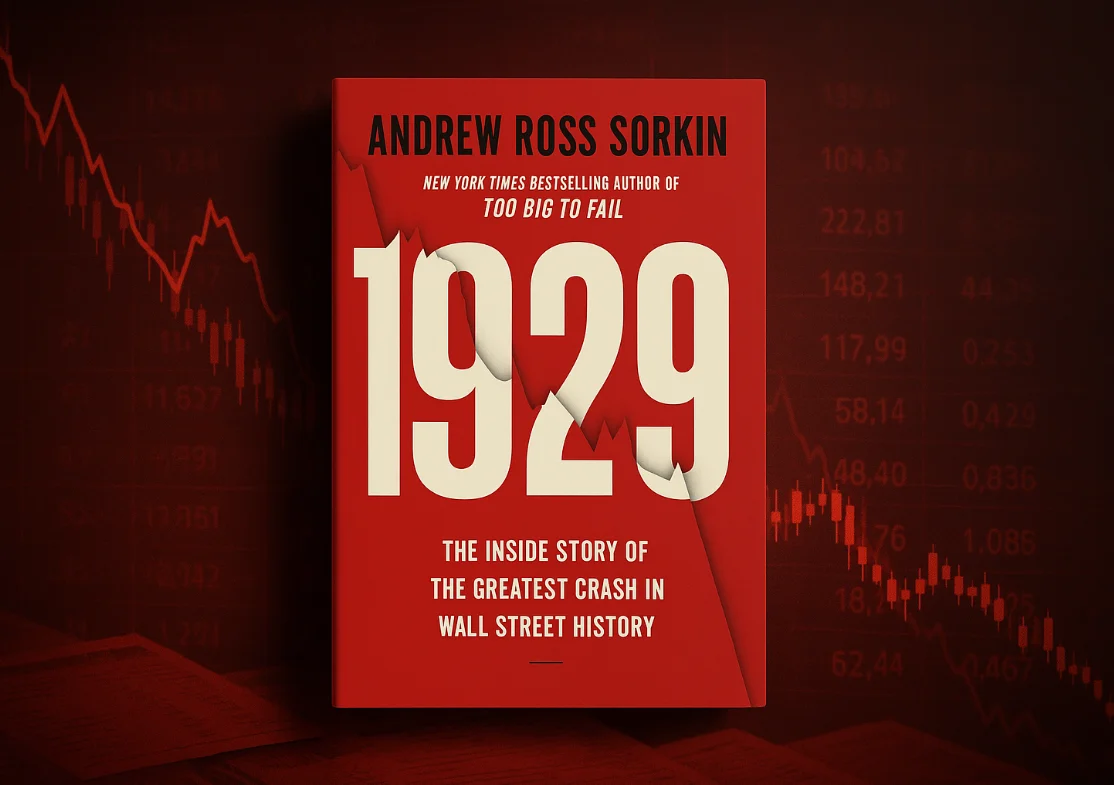
Andrew Ross Sorkin’s "1929" offers a vivid and compelling reconstruction of the events leading to the Wall Street crash of 1929. With meticulous research and gripping storytelling Sorkin uncovers how speculation political blindness and human hubris brought the global economy to its knees. More than just a chronicle of the past the book serves as a powerful mirror for our own time reminding us of the fragility of markets and the recurring patterns of human behavior. 1929 is released today making its lessons more relevant than ever.
10 Key Lessons from 1929
The Peril of Speculation Speculation without real fundamentals can push markets higher for a time, but the collapse is inevitable.
Political Delay Governments and regulators often ignore warning signs or delay necessary action. Such hesitation magnifies the force of a crisis instead of containing it.
Market Psychology Markets are driven not just by numbers but by emotions. Fear, greed, and herd behavior often shape price movements more than fundamentals.
Responsibility of the Powerful Banks, speculators, and politicians in 1929 wielded great power but acted without regard for consequences. Power without responsibility quickly becomes a danger.
Need for Regulation Weak or absent regulation leaves room for excess and abuse. Effective oversight can prevent bubbles and safeguard stability.
The “This Time is Different” Illusion Before the crash, many believed new technologies and methods had broken old patterns. This self-deception led them to dismiss the warnings.
Politics and Finance Entwined Politicians and financiers often acted in each other’s interest, obscuring risks. This entanglement made the system even more fragile.
Inequality as a Catalyst While a few amassed huge gains, most people were left behind. Inequality deepened social tensions and intensified the crisis.
The Power of Transparency A lack of openness about risks and losses fueled widespread panic. Clear communication and transparency are essential to maintain trust.
Learning from History The 1929 crash proves that ignoring past mistakes ensures they return. Only by understanding history can we prevent its repetition.
What Caused the 1929 Stock Market Crash?
arvy’s takeaway: 1929 by Andrew Ross Sorkin is more than just a historical narrative, it is a warning. In today’s world, where markets often rise faster than fundamentals and politics is deeply entangled with finance, the book offers a kaleidoscope of past mistakes. Learning from them may help soften future collapses. Ignoring the past, however, risks seeing it repeat in frighteningly similar ways.
Join a growing community of informed investors and get our ”Weekly by arvy” newsletter full of investing stories, smart ideas and a little inspiration to keep you moving forward.